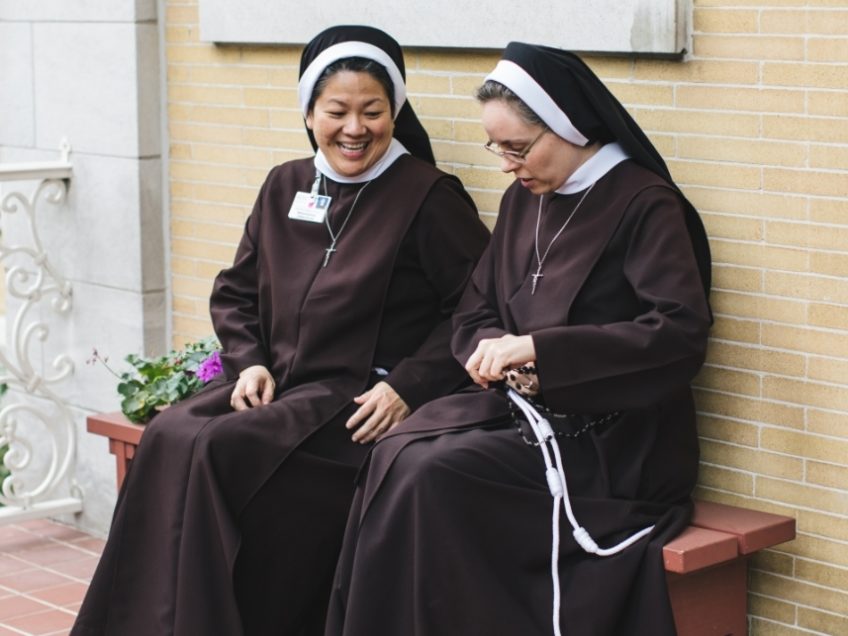
Our Novitiate program is two years in length. The first year, the canonical year, is a period of intensified prayer and study. The second year allows for some weeks spent in serving in our healthcare apostolate.
"The program, as well as the nature of the activities and the work of the novitiate, is organized in such a way as to contribute to novice formation. This formation is based upon the teaching of our Lord in the Gospels, the teachings of the Church, the demands of our Community and our Franciscan spirituality. It consists mainly in initiating the Novices gradually into detachment from everything not connected with the kingdom of God, the practice of chastity, poverty, obedience, prayer, and habitual union with God, in order to be available in frank and open charity." (Constitutions, #140)
"Because the very nature of our religious life requires apostolic action and service, the Novice is guided to dedicate herself to activities in keeping with the purpose of our Community, while developing that intimate union with Christ from whom all apostolic activity flows." (Constitutions, #139)
Novices attend classes in:
Sacred Scripture
Prayer
The Church
Religious Life and the Evangelical Counsel
Franciscan Spirituality
Our Rule, Constitutions and Directory
Our Healthcare Apostolate, and Healthcare Ethics
Catholic Social Principles
Novices also help with vocation programs, serve in our House of Formation, and attend
Community Workshops, our Ministry Development Program, and Diocesan Programs. The
novitiate ends with a seven-
During the canonical novitiate, the novice may have four visits from her immediate family and/or close friends. Following the canonical year, the novice may enjoy monthly visits. (Directory, #115)
If accepted (for profession of temporary vows), the novice relinquishes the administration of her property and makes a will. (Constitution, #147)


Life as a Novice
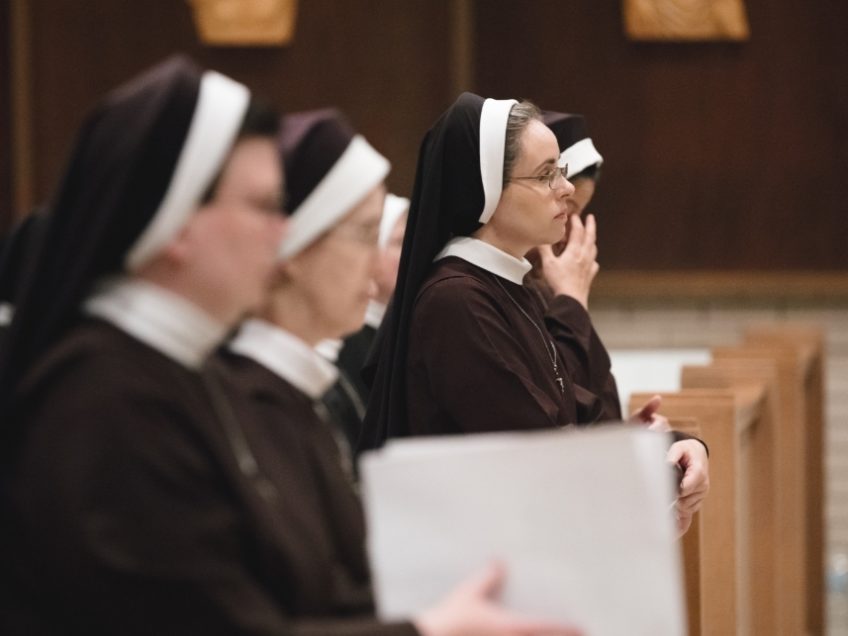
There are two distinct stages in our Novitiate. The first year, the canonical year, is one of greater seclusion. The focus is heavy on prayer and classes. Mostly any work done are chores around the convent. You begin to take a more active role in the Liturgy. This period really helps to draw you away from attachments in the world, and I think it also helps those in the world lose some of the attachment to you. By that, I mean family and friends. I also found that this time gave me a fresh perspective on things in the world, especially the media and materialism.
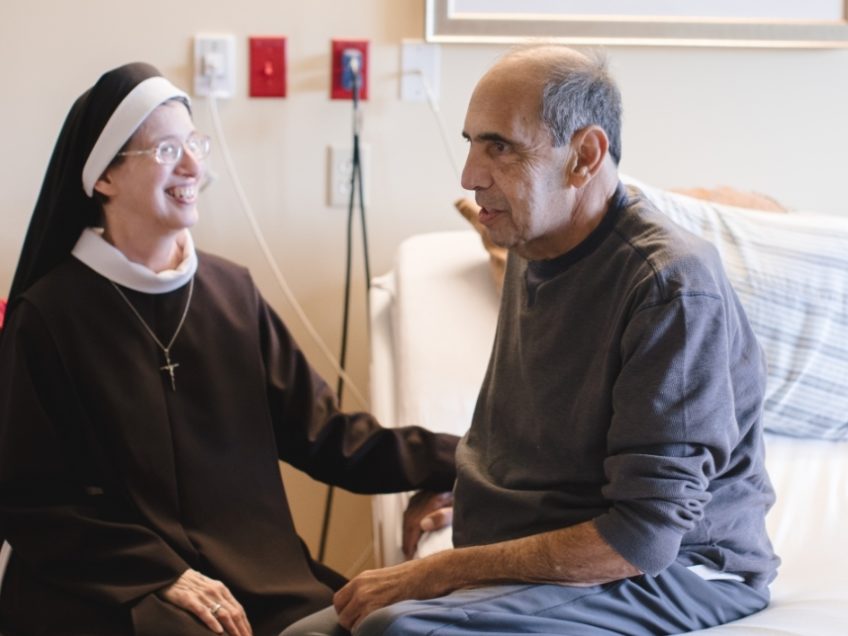
As a second year novice, while you still attend classes, you are able to participate more in activities outside the convent. You attend functions of the healthcare system, help with vocation activities, get some work experience, attend diocesan celebrations, and participate in the Ministry Development Program.
As a novice you are expected to devote more time to prayer, in order to discern and to grow in your relationship with the Lord. There are trials in the novitiate. I think many of the trials come from community living, but since you are not out working you feel them more in the novitiate. All in all this precious time passes quickly. It is a period of growth, although you may not feel this at the time, at the end, when you look back, you can see how much you have changed.
April 7, 2008
Last updated: