St. Francis receives the stigmata
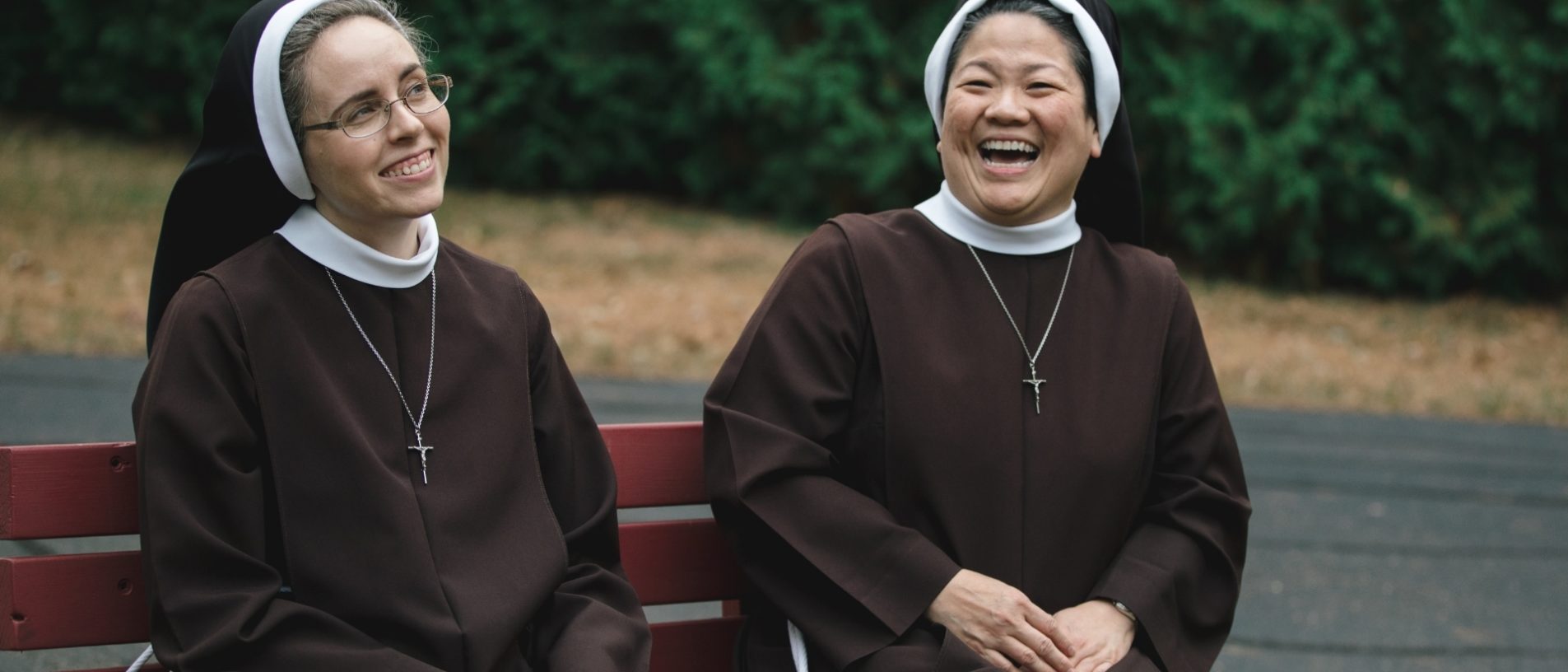
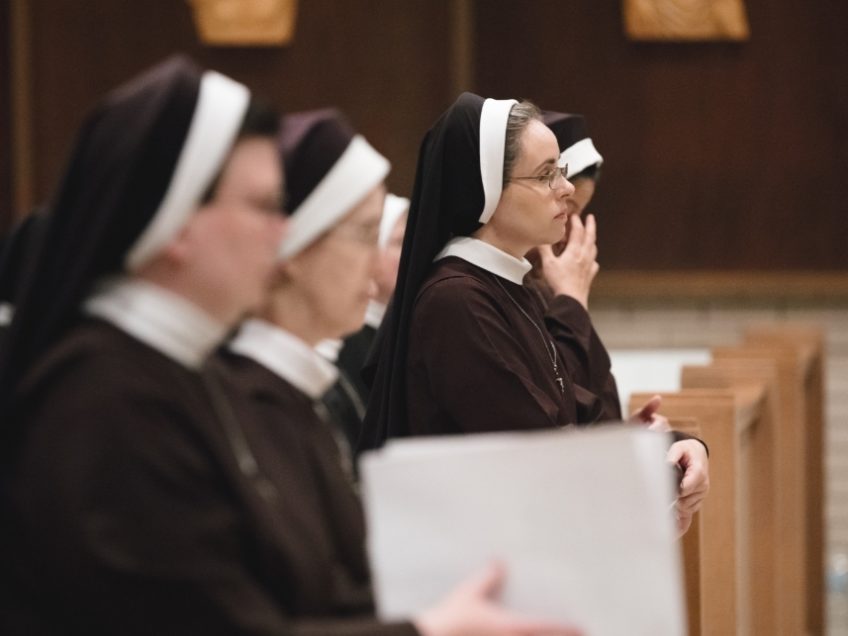
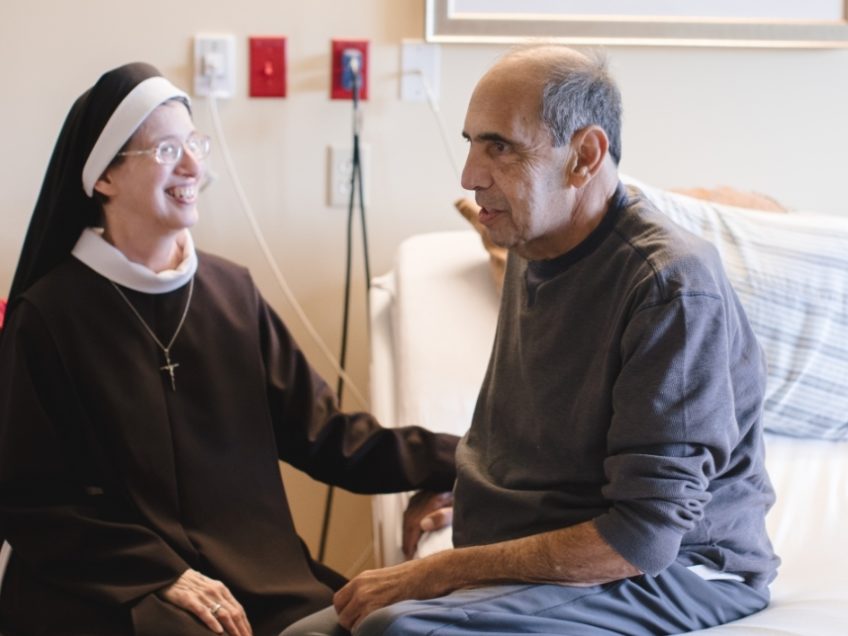
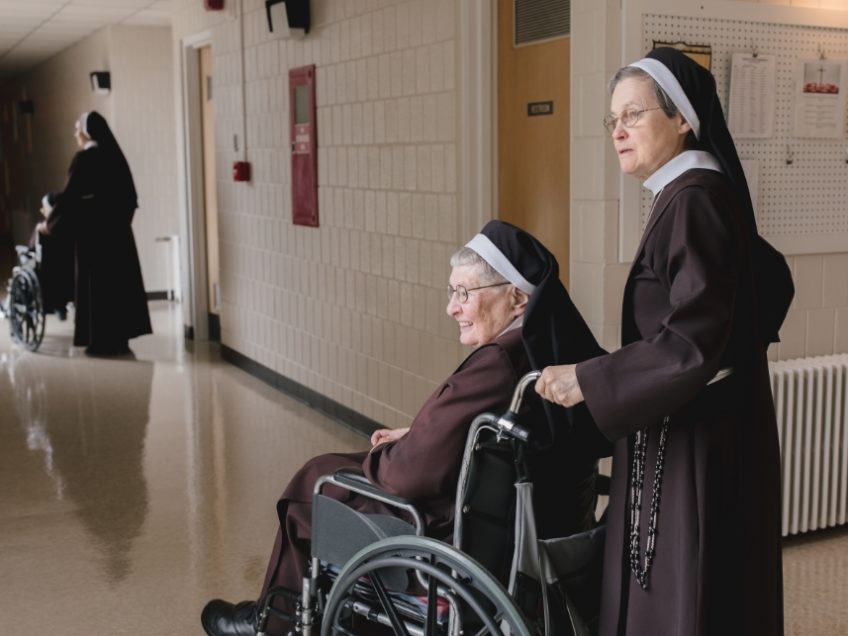
The Sisters of the Third Order of St. Francis
wp8ef921d4_0f.jpg
wp8e990c8d.png
Discussion
wpa7709d87_0f.jpg

Thoughts on the Life of Saint Francis

In my opinion, anyone who studies the life of St. Francis of Assisi will come away from that study spiritually enriched and motivated to make changes in their own spiritual life. That has certainly been the case for me. For the purposes of this paper I have used St. Francis of Assisi: A Biography by Omer Englebert as my sole source. The first thing I noticed about my early study of St. Francis is that of his conversion story. In Chapter One: Francis’ World Mr. Englebert wrote of Francis’ early years and how he came to first hear of God’s call. In his early life he was concerned with the finer things. He enjoyed decadence and the company of good friends. He was characterized by the author as a “prodigal youth”, and I for one can relate to his love of decadence and finery. The reason that St. Francis’ pre-conversion life is so striking to me is because I see some of myself in it- my “search for happiness and fulfillment” consisted for quite a while in the accumulation of material goods. In the end, much like St. Francis, I found that pursuit to be empty. That is when I realized that I should ask God what plans He had in mind for me- that search led me here.

 wpbad79a19_0f.jpg

Another area of the biography I would like to discuss is Francis’ audiences with Pope Innocent III. Francis and his 12 followers set off for Rome from Assisi in April or May of 1209 to visit Pope Innocent III to get approval of his Rule. There were a few stories involved in this particular event, but I wish to concentrate on the dream with Pope Innocent III had prior to Francis’ third audience. In it the Pope recounted how the Lateran Basilica was leaning and about to topple, when a simple religious ran up and with one push of his shoulders, righted it. Pope Innocent III realized that this “simple religious” was Francis. He realized that what the Church needed at that time was a radical witness to Gospel living due to the overall laxity in the clergy, religious, and laity. To me this is also much needed in our society today- a society marked by relativism and the “culture of death”. I firmly believe that the witness of faithful religious in today’s world can move mountains when it comes to changing our culture. What could be more inspiring than to see holy, joyful religious serving God’s people and in turn bringing them to God?  

In Chapter Six of the book entitled “Rivo Torto” there was a story about a peasant and his donkey. First though, let me give you a little background. Francis and his little group of Friars settled here after leaving Rome when the Rule was approved by Pope Innocent III. They lodged in an abandoned hut that was barely able to accommodate them. This is the place where “the fairest Franciscan virtues” flourished. It was a “brief and wonderful springtime” according to Englebert. The story I would like to treat is the one about the peasant and his donkey. One day, while the Friars are praying a peasant man starts pushing his donkey into the hut that the Friars are occupying. The man pretends to talk to his donkey, but he is obviously talking to the Friars. Francis and the Friars, markedly annoyed at the interruption to their prayer, however, get up and surrender the hut to the peasant and his donkey saying that their vocation was not to “play host to donkeys, but to pray and to teach men the way of salvation.” To me, this story reminds me to always seek to grow in the virtues. When I think of Francis and the Friars leaving the hut in search of another lodging I equate that to the spiritual journey that one takes on in following Christ. That constant pursuit of virtue and the things of God is the journey.

The events surrounding Francis’ stigmatization are ones that are inspiring to me. He travels up to Mount La Verna with several of his Friars- Brother Leo, Brother Illuminato, Brother Angelo, Brother Rufino, and Brother Masseo. Once there he requests that a solitary hut be built for him. He wishes to spend this time alone fasting and praying. He then tells the Friars that he wishes to see no one except Brother Leo- Brother Leo is permitted to come to his cell twice per day- once to bring a meal and once for prayers- but only if Francis answers him. At this time his love for Christ’s passion increased. The author shares with us two desires of Francis; the first was to experience the pain of Christ’s crucifixion, and the second was to feel the same love for Christ that He had when He sacrificed Himself on the cross. After expressing that desire to God, Francis sees a six winged seraph in the shape of a crucified man coming toward him. It is at that time that the stigma was imprinted on his body. This event occurred on September 14, 1224. What can I say about Francis’ desires to experience the pain of the Passion of Christ and His love for us. I think it is amazing that a human can become so close to his Creator that He wishes to share in the suffering and feel the love Christ has for each of us.

As my study of St. Francis has concluded in this capacity I feel that I will be able to start to imitate his virtue. I know that this course was the introduction to Francis and Franciscan spirituality and I am grateful for such a base of knowledge. I look forward to the future when I will learn more about this simple, humble Saint.

~ Postulant Jaimie


June 5, 2008

Last updated:

More information on St. Francis of Assisi:

http://www.newadvent.org/cathen/06221a.htm

http://www.franciscanfriarstor.com/stfrancis/index.htm

Writings of St. Francis:

http://www.franciscanfriarstor.com/stfrancis/stf_writings_of_st_francis.htm

Sister Ildefonsa’s Jubilee Speech

“You have chosen the better part.”

Sister Ildefonsa joined our community through our Novitiate in Bad Pyrmont, Germany in 1933

Give thanks to the Lord for He is good, for His love and mercy endure forever.

I am most grateful to Bishop Jenky for his presence and the beautiful celebration of the liturgy today and to the other members of the clergy for attending and participating.

I also acknowledge and thank the choir, the choir director, Sam Sprecher, and the organist Laurie Nelson, for their efforts and contributions that have made this service so enjoyable and meaningful for all of us.

I am thankful to Sister Judith Ann for organizing and planning today’s events. She is an unending source of inspiration through her humility and bountiful kindness as she leads us tirelessly and selflessly in our sacred mission.

I thank my family of Franciscan Sisters who are partners in this ministry of service. You have all graced me through the years with your prayers, your love, and generosity. Led by God’s Spirit and companioned by one another, we embrace our tasks as gifts and our challenges as blessings.

I’m very happy and thankful to acknowledge another special, true and longtime friend, Father Prendergast, who is here today. He honored me by attending my golden and my diamond jubilee celebrations and now, 87 years young and afflicted with Parkinson’s disease, he honors me again. His wonderful friends, Mr. and Mrs. Rainey have brought him from Kewanee.

Of these 70 years, I have spent 35 of them at St. Francis Medical Center, mostly under the leadership of Keith Steffen. I thank Mr. Steffen for his great courage and excellent leadership in the business side of the mission. But, most edifying to me are the times we have shared our faith.

I thank all of our friends from Saint Francis Medical Center who have joined us today. I have seen your goodness and your selfless service. I have seen God in each of you and among you. You are a source of great joy to me.

I wish to thank the Dietary Department for preparing the delicious meal for us.

I welcome the opportunity that this occasion brings to thank each of you more than words can adequately express. I consider myself most fortunate to have had the opportunity to live and serve among you.

Today my heart is full of thanks in a special way to my beloved parents. So, I would like to tell you a 70-year old story:

My father was a convert to Catholicism. When he learned of my intended vocation he was very upset and he told me that he would not give me his permission. Out of love, he feared and grieved the thought of separation as though it were a death. But I was not of age, so I needed my parents’ approval. By God’s grace I was finally allowed to follow my call in spite of his opposition. Then, on the morning when I received the Franciscan habit, my family came for what we believed would be the last time we would see each other. (Sister Ildefonsa came from Germany.) That afternoon as we departed, my father came to me, blessed me and his last words were, “You have chosen the better part.” His eyes and words were fervent, touching and convinced me that his heart had changed.

“You have chosen the better part.” Those words have remained with me during the past 70 years and they have also echoed in my heart during the trying times in my life.

Thanks be to Almighty God for his wonderful gifts and graces. This calling to the religious life is a tremendous blessing. My father said it best: “You have chosen the better part.”